

The Longevity Program, developed jointly by RMC Clinics and Edina Ötvös, founder of Edinaturally, is a six-month integrated clinical and lifestyle program designed to improve long-term health and reduce chronic health risk factors. RMC provides the program’s solid clinical foundation: comprehensive diagnostic resources, a risk assessment led by an internal medicine specialist, individually tailored investigations, and medical evaluation of the results establish a reliable starting point for lifestyle interventions and structured follow-up.
One of the program’s most important features is that it does not end with the health assessment. We interpret the findings in context, identify the key areas for intervention, and provide participants with personalised support to put the recommended changes into practice. As Edina Ötvös explains, the aim is to ensure that patients do not have to work out on their own how to feel “better” or face their questions alone, but receive ongoing professional support.
More than a screening program
Traditional health screenings primarily provide a picture of your current health. The Longevity Program builds on this and goes further: diagnostic findings are translated into a personalised lifestyle plan with clear priorities, supported by several months of guidance and follow-up. At the end of the program, repeat measurements can help show where each participant started and how far they have progressed.
The program’s five main pillars are diagnostics, comprehensive interpretation of the results, a personalised intervention strategy, support in implementing changes, and follow-up with repeat measurements.
How is the six-month program structured?
Month 1: comprehensive health assessment
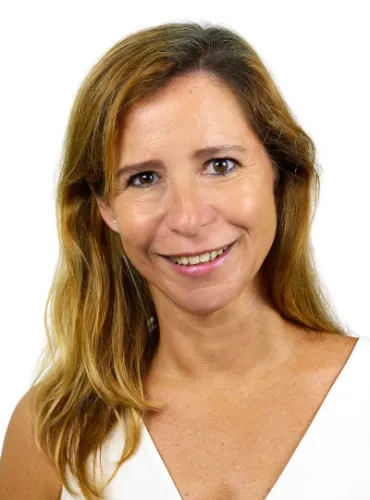
The process begins with a detailed health questionnaire and a 30-minute conversation with Edina Ötvös, after which the RMC Clinics clinical team takes over the medical component of the assessment. A key element is RMC’s comprehensive internal medicine screening program: a thorough 45-minute internal medicine examination is complemented by laboratory tests tailored to the participant’s age and sex. Based on family, personal and social history, together with individual risk factors, internal medicine specialist Dr Tímea Baló assesses whether further targeted investigations or specialist examinations are needed. This creates a personalised RMC screening program, rather than a fixed list of tests that is identical for everyone.
At this stage, RMC’s role extends beyond performing examinations to coordinating them and interpreting their findings. The comprehensive internal medicine screening reviews cardiovascular, cancer-related and lifestyle-related risk factors. It includes cardiovascular screening, recording body measurements and body composition indicators, blood pressure measurement, an ECG, diabetes screening, and evaluation of laboratory results. Based on these findings, RMC’s internal medicine specialist recommends any further investigations and steps to support long-term health.
The health assessment may cover several areas, including:
- Metabolic health and preventive health assessment.
- Blood pressure, resting heart rate and blood glucose.
- Laboratory markers such as HbA1c, lipid profile, liver and kidney function, complete blood count and CRP.
- Micronutrient and nutritional status.
- Body composition and physical condition.
- Sleep and recovery.
- Further targeted clinical investigations based on the participant’s individual health status.
Not all tests are automatically included in the initial assessment. The need for certain additional investigations may emerge during the initial conversation or following the medical evaluation of the results.
Month 2: from results to a personalised plan
We do not treat the results as isolated numbers. The program aims to interpret clinical and lifestyle data as a whole, uncover meaningful connections, and identify the most important areas for intervention.
These findings form the basis of a personalised lifestyle strategy. Potential areas of focus include nutrition, physical activity, sleep and recovery, stress management, and establishing daily and weekly routines. The approach does not require changing everything at once: the emphasis is on a few changes that are both relevant and achievable for each participant.
Months 3–5: incorporating changes into everyday life
Over the following months, the focus shifts to implementation. The program documentation outlines a series of structured 60-minute consultations, alongside education tailored to individual goals and ongoing support. The aim is to ensure that participants receive help with incorporating the recommendations into their everyday lives.
The program may also include group sessions and practical activities covering topics such as nutrition, fermentation, grocery shopping, cooking, meal planning, physical activity, breathing, posture, exercises for spinal health, stress management and time management. The program plan also includes educational video content.
Month 6: repeat measurements and a long-term plan
The program concludes with repeat measurements and final internal medicine examinations. The current program plan includes reassessment of blood glucose/HbA1c, lipid profile, body weight, waist circumference, blood pressure and CRP, together with any additional individual investigations that become clinically indicated during the process. Follow-up therefore provides more than a routine checkpoint: it allows the participant’s initial and final health status to be compared and helps determine the next steps.
Long-term care
The Longevity Program offers more than traditional screening because it not only assesses current health but also interprets the results in context. This helps identify the areas that deserve attention first and establish the key priorities for intervention. These insights form the basis of a plan tailored to the participant’s health, goals, personal circumstances and capacity for change. The program prioritises changes that are clinically justified and realistically achievable in everyday life.
Participants continue to receive support as they put these changes into practice. An important part of Edina Ötvös’s approach is ongoing guidance and encouragement, helping personalised recommendations become part of everyday life gradually and sustainably. Repeat measurements at the end of the program show how the assessed markers have changed compared with the initial results. The Longevity Program therefore helps participants begin making lifestyle changes, tracks their outcomes, and lays the foundation for sustainable next steps.
The essence of the Longevity Program is not simply to perform as many tests as possible. RMC Clinics provides the comprehensive clinical and diagnostic resources, led by an internal medicine specialist, that place the emphasis on individual risks and clinically justified investigations. This foundation supports the interpretation of connections between findings, the setting of priorities, personalised lifestyle changes and ongoing guidance. At the end of the program, follow-up measurements performed at RMC allow the initial and final health status to be compared. Participants therefore receive more than recommendations: they gain a medically informed way to track their progress and a long-term plan.
Longevity Program Application
Our related doctors
Any questions before booking an appointment?
If you are unsure which doctor to see or what examination you require, we are here to help!
Simply request a free callback from one of our colleagues, who will help you find the right specialist based on your specific issue.