
What is laparoscopic surgery?
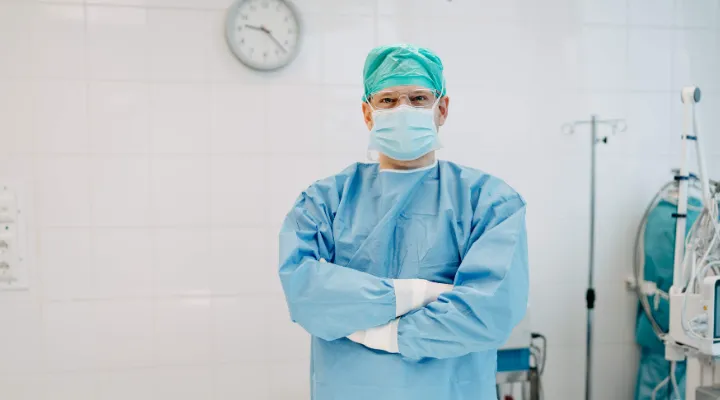
Laparoscopic surgery – often referred to as “keyhole surgery” – is a minimally invasive procedure. This means that instead of a traditional large incision, the surgeon operates through a few small openings, typically 0.5–1 cm in size. While in open surgery the doctor directly views the surgical area with the naked eye, in laparoscopy they work via a camera that projects images onto a monitor. This visualization is often magnified and more detailed, which can support more precise intervention.
Compared to traditional open surgery, one of the biggest advantages of laparoscopic procedures is that they involve much smaller incisions, causing less damage to surrounding tissues. As a result, the body is subjected to less stress, which generally allows for faster recovery and shorter hospital stays.
During the procedure, the abdominal cavity is usually inflated with carbon dioxide so the surgeon can better see and access the organs. Although this may sound alarming at first, it is a well-established and safe practice that facilitates precise and gentle work. The surgery is performed under general anesthesia, so the patient feels nothing during the procedure.
When is it used?
Today, laparoscopic techniques are widely used across many medical fields and are routinely applied in an increasing number of procedures, including at the RMC Same-Day Surgery Center. A common example is gallbladder removal in cases of gallstones, but it is also frequently chosen for various hernia repairs.
It is also widely used in gynecology, for example in the treatment of ovarian cysts or endometriosis, and may be applied in certain colorectal and gastric surgeries as well. It is increasingly common in urological and some oncological procedures too.
However, it is important to note that this is not always the most suitable option. In cases of extensive inflammation or certain anatomical conditions, traditional open surgery may be safer. It may also happen that during the procedure, for unforeseen reasons, the surgeon switches to an open approach. This is not considered a complication, but rather a decision made in the patient’s best interest. The choice of procedure is always determined by the operating physician based on the patient’s condition.
How painful is recovery?
The good news is that most patients report significantly less pain than after open surgery. Following the procedure, mild to moderate abdominal pain may occur, along with a feeling of pressure caused by the gas used during surgery. Some patients may also experience shoulder pain, which is related to this as well, but it is usually temporary.
Discomfort can be effectively managed with pain medication, and most patients experience noticeable improvement within a few days. Many are able to get up and move carefully as early as the day after surgery, which also supports recovery. As a result, returning to everyday activities is typically faster than with traditional surgery, although full recovery time may vary individually.
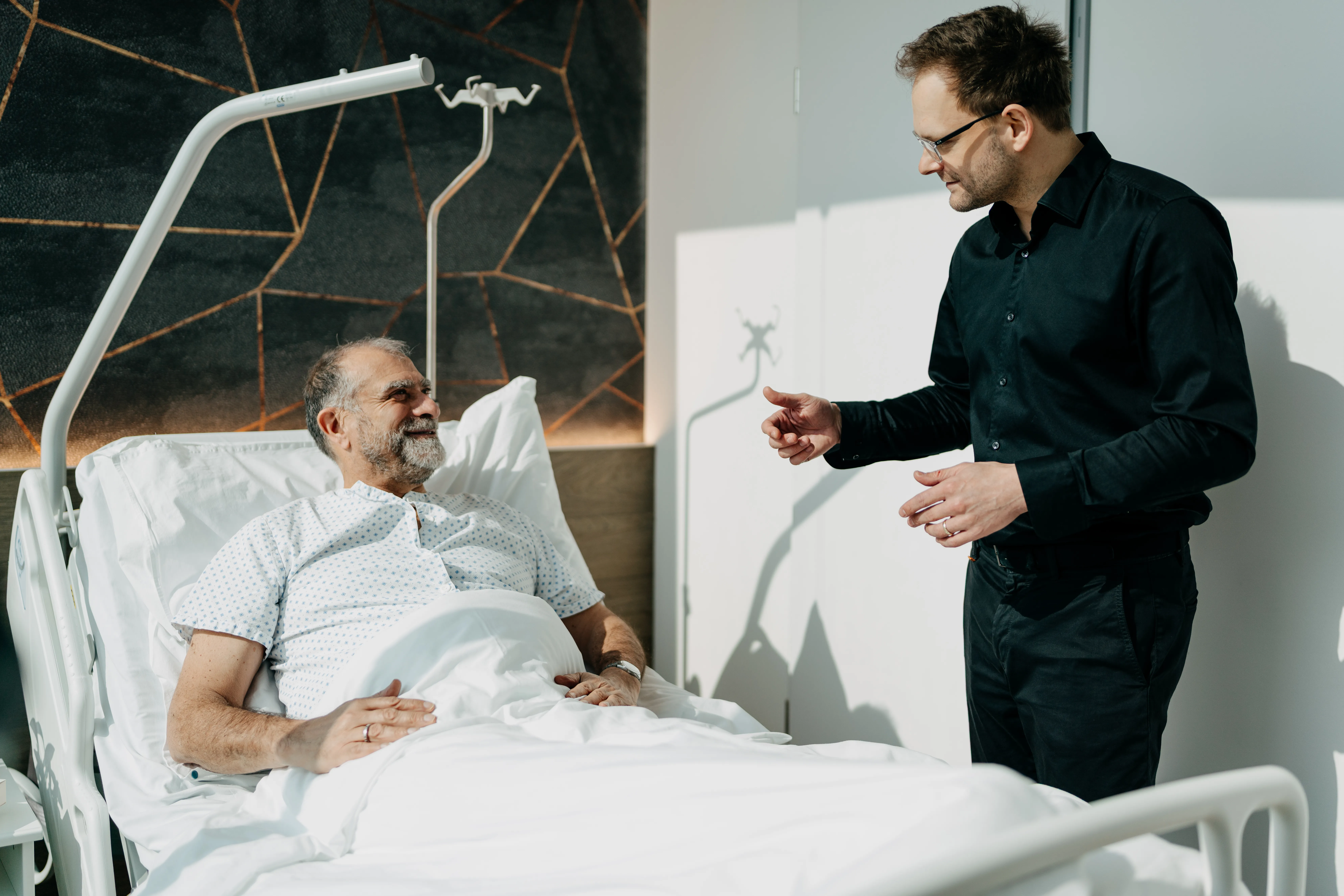
Our Same-Day Surgery Center’s modern patient rooms are designed to provide the most comfortable and safest environment possible for recovery.
What should you do after surgery?
During the postoperative period, gradual recovery and following medical advice are key. Most patients can return to light daily activities within a few days, but physical strain (such as lifting or intense exercise) should generally be avoided for several weeks. Keeping the wound clean, maintaining proper hydration, and attending scheduled follow-up appointments are essential. If the patient experiences fever, severe pain, wound discharge, or other unusual symptoms, they should consult a doctor promptly, as these may indicate complications.
Will there be scars?
Yes, scars will remain after surgery, but they are much smaller and less noticeable than with traditional procedures. At the sites of the small incisions, only a few millimeter-long scars typically form, which often fade over time. Their visibility depends on several factors, including individual healing tendencies, proper wound care, and the type of surgery performed.
Postoperative scar care plays an important role in optimal healing. Following the doctor’s wound care instructions, protecting scars from sunlight, and using specialized creams if needed can all help make scars less noticeable. In most cases, however, they become barely visible after a few months.
Laparoscopic surgery is now, in many cases, a safe and gentle alternative to traditional surgical procedures. It places less strain on the body, allows for faster recovery, and offers better aesthetic outcomes. It is no coincidence that it is becoming the preferred choice in more and more fields.
At the same time, every case is unique, so the most important thing is that the decision is made together with the treating physician after thorough consultation. Proper information, trust, and realistic expectations all help ensure that surgery is not a frightening experience, but a manageable and understandable life situation.
If a surgical solution arises in connection with your symptoms, we encourage you to book an appointment at our clinic, where our specialists will recommend a personalized treatment plan following a detailed examination.
- dietetics25
- pediatrics24
- diet18
- RMC Dental Center15
- internal medicine11
- dentistry9
- Dr Kinga Jókay8
- pediatric dentistry8
- sport7
- zsuzsanna kókai6
- coronavirus6
- screening6
- covid6
- urology6
- obstetrics gynecology6
- prevention5
- cardiology5
- allergy5
- psychology5
- dental hygiene5
- infection4
- gastroenterology4
- menopause4
- screenings3
- Kinga Jókay M.D3
- Flu shot3
- Flu3
- women's screening3
- Dr Nóra Gullai2
- infectious disase medicine2
- Ear-Nose-Throat2
- Same Day Surgery Center2
- heat stroke2
- endocrinology2
- Dr Tímea Baló2
- allergen immunotherapy2
- Adrienne Nagy M.D.2
- Fetal Medicine Center2
- pediatric urology2
- flu season2
- meningitis2
- dermatology2
- gynecologist2
- Ophthalmologist2
- Headache Clinic2
- Dr Eszter Bodnár2
- headache2
- menopause program2
- invisalign2
- diabetology2
- cardiovascular disease1
- diabetes1
- hydration1
- hematology1
- iron1
- Imre Bodó M.D.1
- nutritional disorder1
- lyme disease1
- gynecologic oncology surgery1
- first trimester screening1



Our related doctors

Any questions before booking an appointment?
If you are unsure which doctor to see or what examination you require, we are here to help!
Simply request a free callback from one of our colleagues, who will help you find the right specialist based on your specific issue.