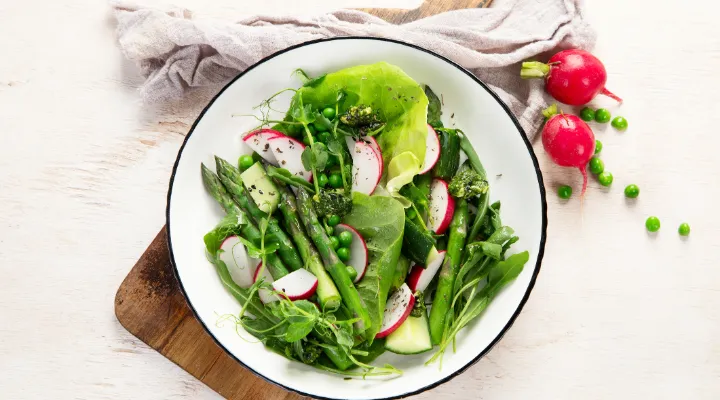
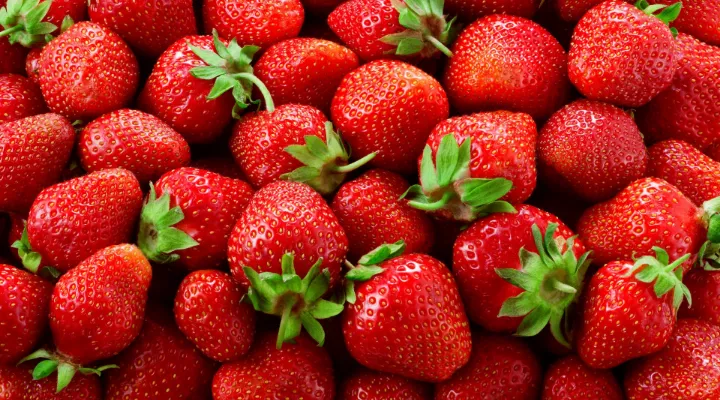
As winter comes to an end, we increasingly crave fresh foods. This is true even though the strict seasonality we were used to in childhood has changed by now. Strawberries are no longer available only in May, and tomatoes are no longer found only in summer and early autumn on store shelves. Still, how should we approach this? Should we try to choose seasonal vegetables and fruits?
What are the benefits of seasonal foods?
In general, Hungarian eating habits are characterized by insufficient vegetable and fruit consumption. Seasonality can help improve this in several ways. Let’s look at an example! Strawberry season is in May and June, meaning that when grown outdoors in this climate, strawberries can be harvested in large quantities during this period. As a result, they are at their tastiest, most abundant, and most affordable at this time. Vegetables and fruits grown outdoors and exposed to more natural sunlight are often richer in flavor and may require fewer chemicals during cultivation. Since they ripen locally, there is less need for long refrigeration, transportation, and processing, which is beneficial both in terms of price and sustainability. We should also not forget that during the season, several varieties of certain fruits and vegetables become available — think of asparagus, cherries, sour cherries, and peaches. Picky children are most likely to try vegetables and fruits when they are offered at their peak flavor, perhaps even picked together as a family activity.
Can we eat these vegetables and fruits out of season?
There is no need to avoid greenhouse-grown or imported fruits and vegetables available out of season either. Some of these do not grow in Hungary at all and are naturally only available through imports, while still following seasonality in their country of origin. Citrus fruits, for example, are valuable sources of vitamin C and are best purchased during the winter months. Bananas are available year-round, and their potassium and carbohydrate content are not affected by the season. However, out-of-season fruits and vegetables may sometimes look appealing but taste less flavorful and seem more watery. These are usually not the foods that will convince a picky child to enjoy vegetables and fruits. Considering sustainability aspects as well, they are generally a less ideal choice. Nevertheless, consuming 4–5 servings of vegetables and fruits daily is an essential part of a healthy lifestyle. The issue of seasonality should not discourage us from achieving this goal.
What about frozen or canned foods?
Frozen, canned, and dried vegetables and fruits are excellent alternatives outside the season. These products are harvested during their season and immediately frozen or preserved, helping them retain much of their nutritional value and flavor. Choose products without added sugar or salt whenever possible. Exceptions include pickled vegetables and preserved fruits, which naturally contain sugar or salt. Always read the label and choose the healthier option. This is especially important for products such as tomato puree, pineapple, or corn. Let’s also not forget about dried legumes and their canned versions. In busy everyday life, it can be very helpful not having to peel, soak, or cook vegetables — simply opening a can and adding mushrooms, corn, or chickpeas directly to a stew. Nuts and seeds are available almost all year round. Jams and dried fruits can also be consumed, but due to their high sugar content, only in moderation. Hygiene is also important: frozen foods should always be heat-treated before consumption.
Let’s look at some May–June tips
Take advantage of the season and don’t be afraid of getting tired of a particular fruit or vegetable — after all, it won’t be around again for another year.
- Strawberries: fresh (preferably enjoyed naturally rather than sprinkled with powdered sugar), as a cream dessert, ice cream, in cakes, stuffed into pancakes, or blended into smoothies
- Sweet and sour cherries: fresh, baked into desserts (pies, muffins), homemade fruit yogurt, or ice cream
- Green peas: children often enjoy shelling them, making it both a fun activity and a way to get familiar with vegetables. They can then be added to soups, rice dishes, stews, pies, soufflés, or even mixed into mashed potatoes
- Asparagus: steamed as a side dish, made into cream soup, or after steaming and blending, easily hidden in pasta sauces, pies, or soufflés as well.
- dietetics25
- pediatrics24
- diet18
- RMC Dental Center15
- internal medicine11
- dentistry9
- Dr Kinga Jókay8
- pediatric dentistry8
- sport7
- zsuzsanna kókai6
- coronavirus6
- screening6
- covid6
- urology6
- obstetrics gynecology6
- prevention5
- cardiology5
- allergy5
- psychology5
- dental hygiene5
- infection4
- gastroenterology4
- menopause4
- screenings3
- Kinga Jókay M.D3
- Flu shot3
- Flu3
- women's screening3
- Dr Nóra Gullai2
- infectious disase medicine2
- Ear-Nose-Throat2
- Same Day Surgery Center2
- heat stroke2
- endocrinology2
- Dr Tímea Baló2
- allergen immunotherapy2
- Adrienne Nagy M.D.2
- Fetal Medicine Center2
- pediatric urology2
- flu season2
- meningitis2
- dermatology2
- gynecologist2
- Ophthalmologist2
- Headache Clinic2
- Dr Eszter Bodnár2
- headache2
- menopause program2
- invisalign2
- diabetology2
- cardiovascular disease1
- diabetes1
- hydration1
- hematology1
- iron1
- Imre Bodó M.D.1
- nutritional disorder1
- lyme disease1
- gynecologic oncology surgery1
- first trimester screening1


Our related doctors

Any questions before booking an appointment?
If you are unsure which doctor to see or what examination you require, we are here to help!
Simply request a free callback from one of our colleagues, who will help you find the right specialist based on your specific issue.