In fact, making the switch isn’t difficult—we don’t need to think in terms of special foods or complicated cooking techniques. Let’s take a look at alternative side dishes together!
What are these alternative side dishes?
We probably call them “alternative” mainly because they differ from what we’re used to. Yet in the past—and even today in other parts of the world—these foods have been widely consumed as staple ingredients.
Quinoa, the “gold of the Incas,” is a deservedly popular pseudo-cereal from South America, now also being cultivated in Europe. Buckwheat and oats are common further north, for example in Poland and Finland, while millet and sorghum are staple carbohydrate sources further south, in India and Africa. These crops can also be successfully grown in our country and region.
What health benefits can we expect?
In general, alternative side dishes help increase dietary fiber intake. This positively affects digestion, body weight, and gut health. They are typically slower-absorbing carbohydrate sources, meaning they cause a smaller and more gradual rise in blood sugar levels. They fit well into diets for diabetes, insulin resistance, and weight loss. They are rich in vitamins and minerals, and some are also high in antioxidants. In addition, many are naturally gluten-free, making them suitable for people with gluten sensitivity or celiac disease.
Can wheat also be used as a side dish?
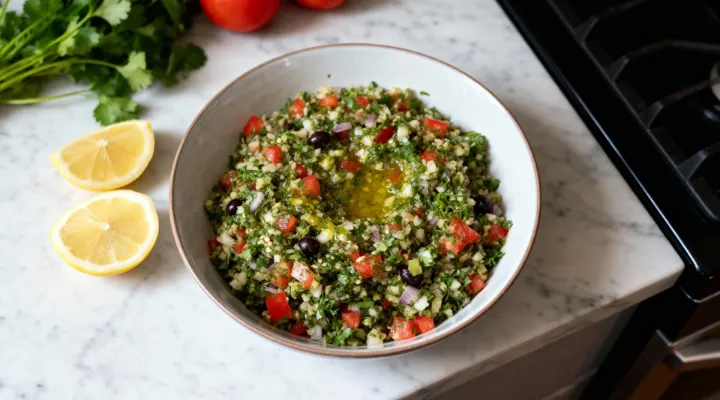
Absolutely! Among grains, wheat is usually associated with bread, pasta, and baked goods. But in the form of bulgur or couscous, it can also serve as an excellent side dish. Bulgur resembles rice, making it easier to accept for those hesitant to try new foods. It’s also the base of the well-known Middle Eastern dish tabbouleh. Couscous is quick and easy to prepare—just soak it in hot water. Many people know pearl barley (hulled barley) from traditional dishes like bean stew, but it also works well as a side dish. It contains beta-glucan, a type of fiber that, like oats, may help reduce high cholesterol levels.
Note: the varieties mentioned here all contain gluten, so they are not suitable for those with gluten intolerance.
How can we consume these alternatives?
Among smaller grains, millet and sorghum, and among pseudo-cereals, buckwheat and quinoa, are relatively easy to find in stores. The term “pseudo-cereal” comes from a botanical distinction: these plants belong to different families than true grains but are consumed in similar ways.
They can be eaten as side dishes, used as fillings instead of rice, or added to salads. Their puffed versions can be mixed into muesli or granola. Their flours can partially replace wheat flour—less so in bread, but more confidently in flatbreads, cakes, pancakes, and sponge cakes. In risotto-style dishes, millet can replace rice. Children may also enjoy the small, ball-shaped grains—not just the familiar puffed millet snacks. If acceptance is a challenge, they can be mixed with rice (e.g., rice–quinoa), chosen in colorful varieties (e.g., tricolor quinoa), or tried in pasta form (e.g., millet pasta, sorghum pasta). From sorghum pearls, a small-grain side dish similar to egg barley—called “cirhonya”—can also be made.
One of quinoa’s special qualities, besides its fiber and mineral content, is that it contains all the essential amino acids the body needs. This makes it a better protein source than most grains, and it is often used to make burger patties. Buckwheat (also known as kasha) is the base of the famous Japanese soba noodles and French galettes. In addition to its fiber and vitamin content, it also contains rutin, which helps strengthen capillary walls.
How should we prepare them?
Quinoa is coated with a slightly bitter substance called saponin, so it should be thoroughly rinsed before cooking. Washing millet is also important—not only to remove impurities but also to prevent a bitter taste. Most alternative side dishes can be cooked similarly to rice: after rinsing, boil them in about twice the amount of water. Millet and sorghum are exceptions. Millet should be cooked in 2–3 times the amount of water. Sorghum pearls should first be lightly toasted until they develop a pleasant popcorn-like aroma, then cooked in 4–5 times the amount of water until soft—this also takes longer than for other side dishes.
How can we make familiar side dishes more exciting?
We can choose brown rice instead of white to increase fiber intake. White basmati rice is also a good option, as its composition results in slower absorption. Potatoes can be replaced with sweet potatoes, which are rich in carotene. Mashed potatoes can be made more colorful with them or lightened with added vegetables. Choosing durum wheat pasta is another healthy option: durum flour is digested more slowly, leading to a slower rise in blood sugar levels.
- dietetics25
- pediatrics24
- diet18
- RMC Dental Center15
- internal medicine11
- dentistry9
- Dr Kinga Jókay8
- pediatric dentistry8
- sport7
- zsuzsanna kókai6
- coronavirus6
- screening6
- covid6
- urology6
- obstetrics gynecology6
- prevention5
- cardiology5
- allergy5
- psychology5
- dental hygiene5
- infection4
- gastroenterology4
- menopause4
- screenings3
- Kinga Jókay M.D3
- Flu shot3
- Flu3
- women's screening3
- Dr Nóra Gullai2
- infectious disase medicine2
- Ear-Nose-Throat2
- Same Day Surgery Center2
- heat stroke2
- endocrinology2
- Dr Tímea Baló2
- allergen immunotherapy2
- Adrienne Nagy M.D.2
- Fetal Medicine Center2
- pediatric urology2
- flu season2
- meningitis2
- dermatology2
- gynecologist2
- Ophthalmologist2
- Headache Clinic2
- Dr Eszter Bodnár2
- headache2
- menopause program2
- invisalign2
- diabetology2
- cardiovascular disease1
- diabetes1
- hydration1
- hematology1
- iron1
- Imre Bodó M.D.1
- nutritional disorder1
- lyme disease1
- gynecologic oncology surgery1
- first trimester screening1
Our related doctors

Any questions before booking an appointment?
If you are unsure which doctor to see or what examination you require, we are here to help!
Simply request a free callback from one of our colleagues, who will help you find the right specialist based on your specific issue.