Expanding a child’s diet is a long process, and different approaches can be applied depending on their age. Let’s look at some tips on how to sneak greens onto your child’s plate!
Why is it worth trying vegetables and fruits?
Broadening the diet of picky eaters can be a long process requiring a lot of patience, but it is worth the effort. Vegetables and fruits are rich sources of vitamins (such as vitamins K and C, and beta-carotene) and minerals (such as potassium and magnesium). It’s important to work on this gradually, even in small steps. It also helps if we set a good example by eating these foods ourselves. Children are more likely to try the following dishes.
Bring out the blender!
Maybe your child won’t eat vegetables from soup. They might pick peas out of rice. You can’t put onions, tomatoes, or peppers on their sandwich. The list could go on: for picky eaters, it’s not always just about taste—texture and color often play a role too. This can often be overcome by blending cooked or roasted vegetables.
Which dishes can we sneak blended spring vegetables into?
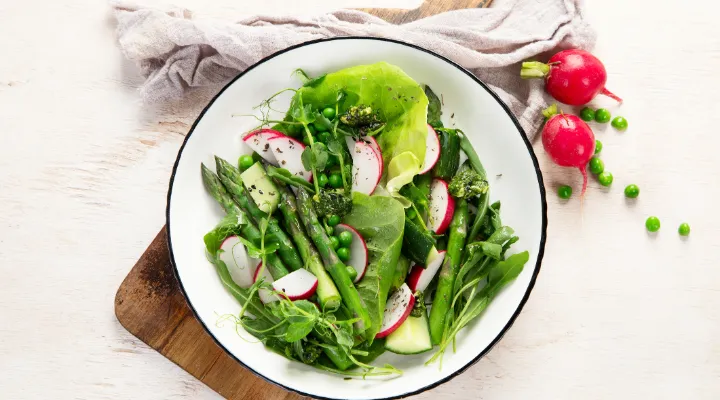
- Asparagus: A big advantage is that it also comes in white varieties. This makes it easier for children who dislike green-colored foods. You can make a delicious cream soup from asparagus, made even more appealing with soup pearls. Since it blends very smoothly, it also works well as a pasta sauce or dip base.
- Wild garlic: If your child enjoys a garlic flavor, it’s definitely worth experimenting with. It’s excellent in cream soups, pasta sauces, or mixed with butter/margarine/boiled eggs as a spread. However, wild garlic is harder to purée and may remain slightly chunky. It can also be added to savory scones, egg muffins, or quiche—a French-style savory pie filled with meat, vegetables, and eggs.
- Spinach: If traditional creamed spinach is not a hit, there are other options. Sautéed spinach (or wild garlic) blended into oat pancake batter creates visually appealing green pancakes. It can also be mixed into pasta sauces.
- Peas: Cooked peas can be mashed and strained into a purée, which can be added to cream soups, mixed into mashed potatoes, used as a quiche filling, or turned into a sandwich spread.
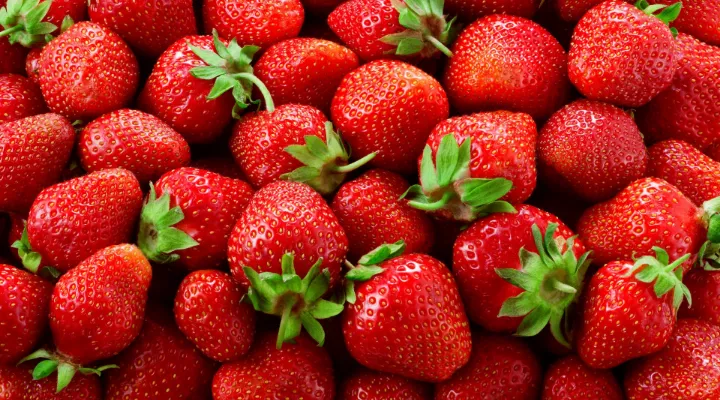
- A bonus: strawberries: Children who are hesitant about fruits may even reject strawberries, which are usually considered a treat. In such cases, peeling (removing the seeded outer layer) or puréeing can help. Strawberries can be used in smoothies, milkshakes, yogurt, or fruit soups. You can fill pancakes or sponge cakes with strawberry cream, or even make ice cream.
Don’t forget about fresh herbs!
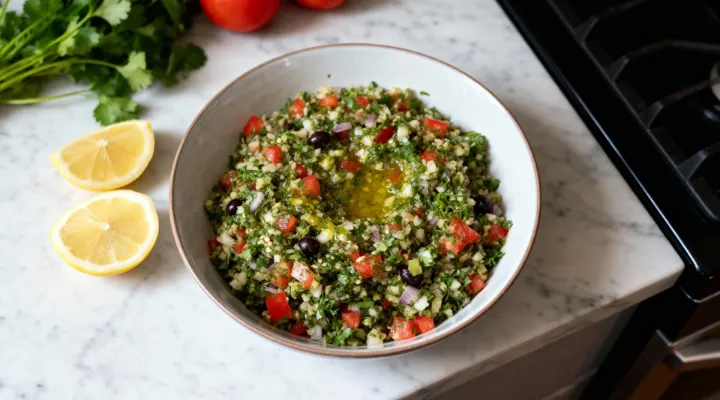
They are rich in vitamins, minerals, and antioxidants, and can even be grown at home in a balcony planter. Children can easily pick and add them to dishes during cooking. Their fragrance makes them engaging—encourage children to smell, crumble, and chop them, and even play recognition games.
What else can help?
Involve children in the cooking process! Take them with you to the store, the market, or into the garden. Let them participate in planning meals and shopping. They can have their own small tasks—whether in the store, garden, kitchen, or during cleanup. It’s okay if they still don’t eat the vegetables at first. Familiarity helps: touching, smelling, and cutting these foods brings them closer. Encourage tasting! Picky eaters often need many exposures before accepting a new flavor, so don’t give up. However, avoid forcing them—if they don’t want to eat something, don’t push it. Mealtimes should not become a central source of family conflict.
When should we seek professional help?
If you feel your child is extremely picky, avoids entire food groups, or eats very little, it may be time to seek help. Mild pickiness is common and often resolves on its own. However, if a child is not gaining weight, is losing weight, appears weak or lethargic, frequently gets sick, or is afraid of food or eating, professional guidance is recommended. Pay special attention to teenagers, who may want to lose weight or build muscle and may follow extreme diets or eliminate many foods under the guise of a “healthy lifestyle.” Severe pickiness can be risky and can affect both younger and older children, so it’s worth asking for help. Treatment often requires coordinated work between a pediatrician, dietitian, and child psychologist.
- dietetics25
- pediatrics24
- diet18
- RMC Dental Center15
- internal medicine11
- dentistry9
- Dr Kinga Jókay8
- pediatric dentistry8
- sport7
- zsuzsanna kókai6
- coronavirus6
- screening6
- covid6
- urology6
- obstetrics gynecology6
- prevention5
- cardiology5
- allergy5
- psychology5
- dental hygiene5
- infection4
- gastroenterology4
- menopause4
- screenings3
- Kinga Jókay M.D3
- Flu shot3
- Flu3
- women's screening3
- Dr Nóra Gullai2
- infectious disase medicine2
- Ear-Nose-Throat2
- Same Day Surgery Center2
- heat stroke2
- endocrinology2
- Dr Tímea Baló2
- allergen immunotherapy2
- Adrienne Nagy M.D.2
- Fetal Medicine Center2
- pediatric urology2
- flu season2
- meningitis2
- dermatology2
- gynecologist2
- Ophthalmologist2
- Headache Clinic2
- Dr Eszter Bodnár2
- headache2
- menopause program2
- invisalign2
- diabetology2
- cardiovascular disease1
- diabetes1
- hydration1
- hematology1
- iron1
- Imre Bodó M.D.1
- nutritional disorder1
- lyme disease1
- gynecologic oncology surgery1
- first trimester screening1

Our related doctors

Any questions before booking an appointment?
If you are unsure which doctor to see or what examination you require, we are here to help!
Simply request a free callback from one of our colleagues, who will help you find the right specialist based on your specific issue.