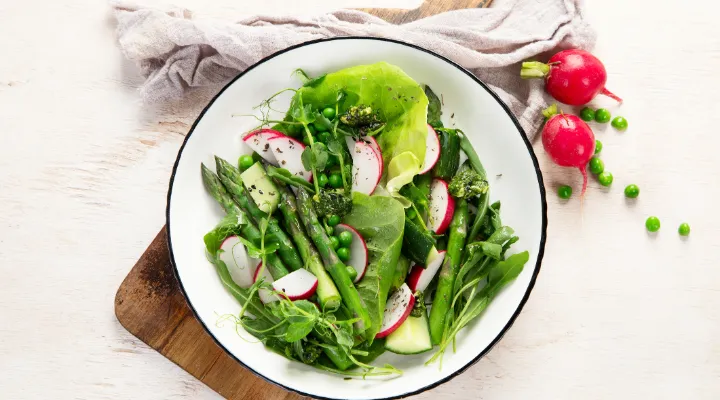

More and more men want to focus on healthy eating. However, the pressure to perform on multiple fronts and the rush of daily life take up valuable time. According to our current knowledge, there’s no miracle cure that can instantly solve male obesity, cardiovascular problems, diabetes, cancer, prostate enlargement, or declining testosterone levels. What we do know is that a healthy lifestyle has been proven to reduce these risks. Let’s look at some simple steps that can bring you closer to better health.
What is worth highlighting in our daily life?
Fluid intake. Aim for 8–10 glasses of fluids per day, consumed throughout the day. This offers several health benefits, including preventing constipation and kidney stones, and supporting prostate and urinary tract health. What should you drink? Tap water or mineral water, sometimes even carbonated. Avoid sugary soft drinks, and be cautious with sugar-free versions too: artificial sweeteners may cause bloating or diarrhea. Good alternatives include lightly sweetened fruit teas or lemonades, infused water (with fruit or herbs), and low-sugar probiotic drinks (such as water kefir or kombucha). These often have a pleasant, sometimes tangy, distinctly “masculine” flavor, and with their fizzy texture and beer-like cans, they can even serve as a good alcohol alternative at social events.It’s important to acknowledge that one of the most significant risk factors for men’s health is alcohol. Despite cultural norms and stressful lifestyles, reducing alcohol consumption is beneficial.
What should I eat if I have to attend very long meetings?
If you know you’re attending a long meeting, plan a meal before and after it. If that’s not possible, or the meeting is exceptionally long, planning ahead still matters. Is it acceptable to eat during a meeting? Workplace culture is shaped by us, and in many places, professionals are already working to create a healthier work environment. Believe it: during a marathon meeting, others are hungry too, and healthy eating is not a sign of disrespect. When we don’t eat or drink, our brain doesn’t function well — we may become irritable, and the atmosphere and decisions may suffer.
The most important thing is to ensure proper hydration, so bring mineral water. Alongside this, choose snack-style foods such as fruit, good-quality biscuits, drinking yogurt or kefir. An apple or banana works well, so does a small box of cut-up fruit. Pack a bag of wholegrain or oat-based, no-added sugar biscuits — you can even offer them around. Milk-based drinks or smoothies are also easy to consume discreetly and provide energy and important nutrients.
What should I eat if I’m constantly on the go?
Keep in mind that these daily choices add up. Try not to rely solely on a quick gas-station hotdog or a fast food burger to get through the day. If you arrive home hungry, you’ll likely consume too many calories in the evening, increasing the risk of weight gain. Choose meals that include vegetables or salad and lean deli meats instead of fried foods or salami. Good options include a well-made sandwich, wrap, or pasta salad. Keep mineral water, muesli bars, biscuits, and nuts in the car. Instead of a chocolate bar, choose an apple or banana.
What should I choose at a cafeteria?
For many, lunch is the highlight of the workday. Some days, breaded meat or a spicy Asian dish may be the star — and that’s perfectly fine. But it’s not ideal to choose high-calorie meals every day, especially if you work a desk job. Follow the plate method: meat or fish (a quarter of the plate), a side dish (another quarter), and plenty of vegetables (half the plate). Soups and pickled salads count too. Casserole-style dishes, stuffed vegetables, or vegetable stews with meatballs often follow this balanced ratio. You can apply the same principle when eating at a hotel or buffet. Try to save dessert for the afternoon as a snack, preferably in the form of fruit.
How can a dietitian help?
With these everyday choices, men can do a great deal for their health. During dietetic counseling, we don’t only assess your health status and risk factors — we also discuss your lifestyle and preferences and together integrate the elements of a healthy or therapeutic diet. It’s worth coming early, before a special diet becomes necessary. Incorporating healthy eating habits into a busy routine contributes to a long-term boost in your performance and overall well-being.
Book an appointment with our dietitian at +36 1 392 0505 or on our online platform!
- dietetics25
- pediatrics24
- diet18
- RMC Dental Center15
- internal medicine11
- dentistry9
- Dr Kinga Jókay8
- pediatric dentistry8
- sport7
- zsuzsanna kókai6
- coronavirus6
- screening6
- covid6
- urology6
- obstetrics gynecology6
- prevention5
- cardiology5
- allergy5
- psychology5
- dental hygiene5
- infection4
- gastroenterology4
- menopause4
- screenings3
- Kinga Jókay M.D3
- Flu shot3
- Flu3
- women's screening3
- Dr Nóra Gullai2
- infectious disase medicine2
- Ear-Nose-Throat2
- Same Day Surgery Center2
- heat stroke2
- endocrinology2
- Dr Tímea Baló2
- allergen immunotherapy2
- Adrienne Nagy M.D.2
- Fetal Medicine Center2
- pediatric urology2
- flu season2
- meningitis2
- dermatology2
- gynecologist2
- Ophthalmologist2
- Headache Clinic2
- Dr Eszter Bodnár2
- headache2
- menopause program2
- invisalign2
- diabetology2
- cardiovascular disease1
- diabetes1
- hydration1
- hematology1
- iron1
- Imre Bodó M.D.1
- nutritional disorder1
- lyme disease1
- gynecologic oncology surgery1
- first trimester screening1


Our related doctors

Any questions before booking an appointment?
If you are unsure which doctor to see or what examination you require, we are here to help!
Simply request a free callback from one of our colleagues, who will help you find the right specialist based on your specific issue.