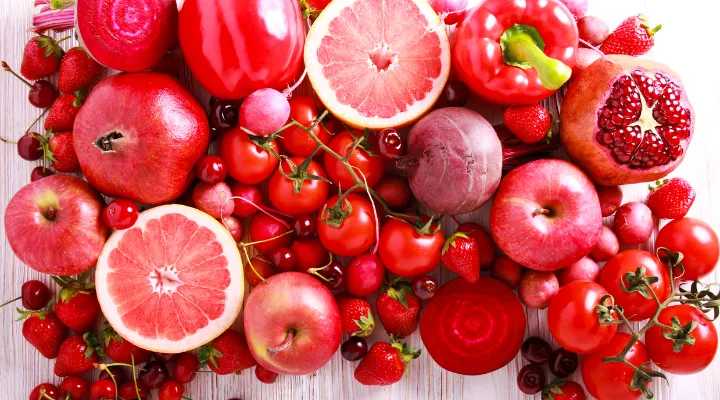
Why is it worth consuming more red vegetables and fruits in our daily lives—not just on Valentine’s Day? The most common red pigments found in fruits and vegetables are lycopene and anthocyanins. Both compounds have strong antioxidant properties. We often hear this term in connection with dietary supplements and superfoods—but what does it actually mean?
In short, antioxidants can reduce or inhibit processes in the body that contribute to cellular aging. As a result, they may play a role in preventing inflammation and even supporting cancer prevention. They achieve this effect by neutralizing so-called free radicals, which can form due to stress, acute illnesses, and aging. Since free radicals can also accumulate in the walls of blood vessels, consuming antioxidants can help support cardiovascular health as well.
Valuable Red Vegetables and Fruits
Tomato
One of our most popular vegetables owes its characteristic red color to lycopene, which has powerful antioxidant effects. Since it retains these properties even after heat treatment, tomatoes can also be consumed in puréed or cooked form. The absorption of lycopene is enhanced by fats, so adding olive oil, for example, can improve its absorption.
Tomatoes are extremely versatile in the kitchen: they work well as a base for pasta dishes, soups, sandwiches, and salads alike.
Berries
Berries such as strawberries, raspberries, blueberries, and cranberries are among the most popular fruits. Not only are they delicious and visually appealing, but they also offer outstanding health benefits. Their antioxidant content is preserved even when frozen, allowing us to enjoy their beneficial effects all year round.
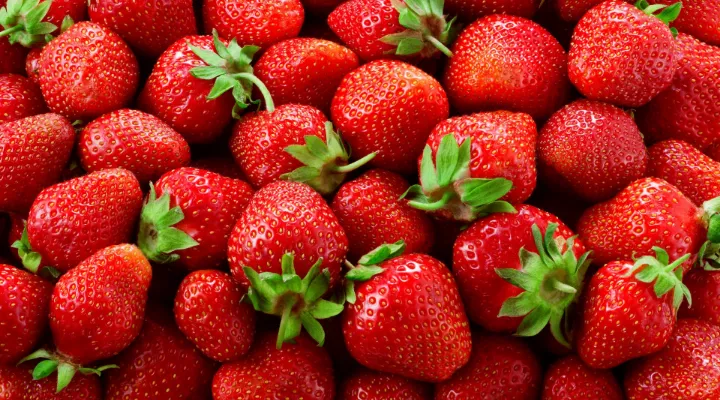
A handful of berries makes a great mid-morning or afternoon snack on its own. They can also brighten up oatmeal, plain yogurt, or cottage cheese. They are perfect for baking desserts and serve wonderfully as fillings or toppings for pancakes and waffles. Strawberries are especially popular for Valentine’s Day desserts—consider giving fruit instead of chocolates as a gift.
Beetroot
Behind its vibrant color lie numerous positive health effects. Beyond its antioxidant properties, beetroot is also known for its potential blood pressure-lowering effects.
In Hungarian cuisine, it is traditionally consumed as pickles, but roasted beetroot also makes an excellent side dish. You can drink it as freshly pressed juice, increase the fiber and antioxidant content of baked goods like brownies with it, or mix it into hummus or risotto—making your dinner even more visually impressive.
Red Grapes (and Resveratrol)
Red grapes contain resveratrol, which also helps reduce inflammation, may slow skin aging, and supports cardiovascular function.
Although red wine is often mentioned in connection with the beneficial properties of resveratrol, it is important to note that these benefits do not outweigh the harmful effects of alcohol. Therefore, regular alcohol consumption is not recommended. Including red grapes or grape juice in your diet, however, provides the same health benefits without the risks associated with alcohol.
Grapes can be added to salads—especially delicious with arugula, walnuts, and cheese—or used in fruit salads. When frozen, they also make a refreshing summer alternative to ice cream.
Pomegranate
Pomegranate is extremely rich in antioxidants and fiber. Regular consumption may contribute to cardiovascular health, slow skin aging, improve cognitive function, and support digestion.
It can be consumed as 100% fruit juice, pairs wonderfully with a few cubes of dark chocolate, and serves as an excellent ingredient in salads.
Red foods are not miracle cures and do not replace prescribed medications. However, they can form a valuable part of a balanced and conscious diet. By consuming them regularly, we can help protect our cells, preserve cardiovascular health, and reduce inflammatory processes. It is therefore worth putting something red on your plate as often as possible—not only in February, but throughout the rest of the year as well.
- dietetics25
- pediatrics24
- diet18
- RMC Dental Center15
- internal medicine11
- dentistry9
- Dr Kinga Jókay8
- pediatric dentistry8
- sport7
- zsuzsanna kókai6
- coronavirus6
- screening6
- covid6
- urology6
- obstetrics gynecology6
- prevention5
- cardiology5
- allergy5
- psychology5
- dental hygiene5
- infection4
- gastroenterology4
- menopause4
- screenings3
- Kinga Jókay M.D3
- Flu shot3
- Flu3
- women's screening3
- Dr Nóra Gullai2
- infectious disase medicine2
- Ear-Nose-Throat2
- Same Day Surgery Center2
- heat stroke2
- endocrinology2
- Dr Tímea Baló2
- allergen immunotherapy2
- Adrienne Nagy M.D.2
- Fetal Medicine Center2
- pediatric urology2
- flu season2
- meningitis2
- dermatology2
- gynecologist2
- Ophthalmologist2
- Headache Clinic2
- Dr Eszter Bodnár2
- headache2
- menopause program2
- invisalign2
- diabetology2
- cardiovascular disease1
- diabetes1
- hydration1
- hematology1
- iron1
- Imre Bodó M.D.1
- nutritional disorder1
- lyme disease1
- gynecologic oncology surgery1
- first trimester screening1

Our related doctors

Any questions before booking an appointment?
If you are unsure which doctor to see or what examination you require, we are here to help!
Simply request a free callback from one of our colleagues, who will help you find the right specialist based on your specific issue.